
The ghost of a language haunts the Mediterranean, whispering tales of a unity we have tragically forgotten. Sabir, the Lingua Franca, was more than just a pidgin; it was the audacious symphony of a sea that refused to be contained by lines drawn on maps. It was the anti-state manifesto of a fluid, porous people, born of necessity and flourishing in freedom.
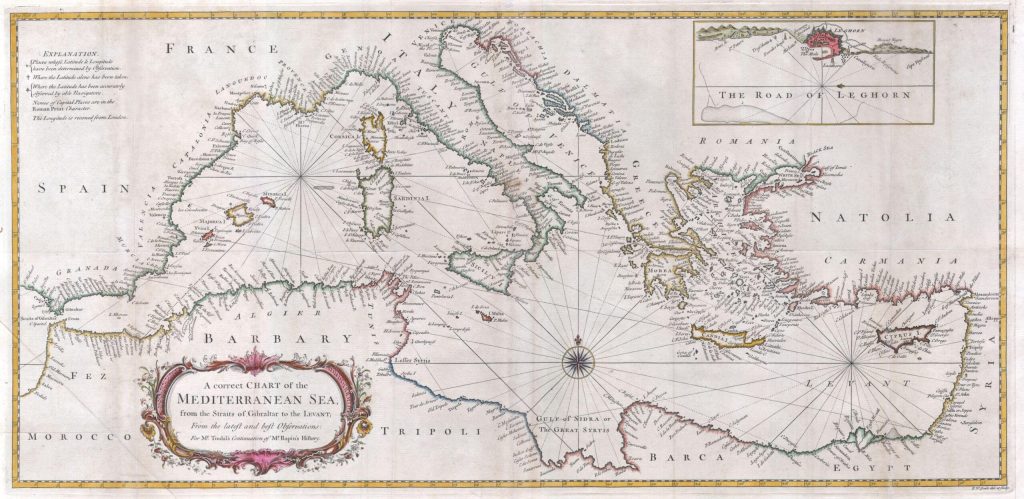
Imagine it: for centuries, in every port, on every deck, from Venice to Tangier, from Genoa to Istanbul, merchants and pirates, enslaved people and scholars, conversed in this radical tongue. Sabir was a language of communion, a living testament to cultural exchange, a vibrant tapestry woven from Italian, Spanish, Arabic, Greek, Turkish, and countless other threads. Its simplified grammar, its very lack of rigid structure, was its strength—a deliberate rejection of the calcified boundaries that define nation-states. It wasn’t about belonging to a flag; it was about belonging to the wave, to the wind, to the shared horizon.
In a world obsessed with borders, Sabir offered an alternative: a world where understanding wasn’t predicated on origin but on the willingness to meet halfway, to adapt, to co-exist. It embodied the inherent freedom to migrate, to move, to seek new shores, not as a transgression but as a natural state of being. The Mediterranean, then, was not a collection of isolated nations, but a singular, interconnected organism, pulsing with the lifeblood of diverse interactions. This was the true meaning of the Mediterranean as a “people anti-state” – a collective identity formed not by sovereign decrees, but by shared experiences, mutual need, and a profound, lived understanding of fluidity.
Today, this ancient wisdom confronts a brutal, contemporary reality: Lampedusa. This island, once a beacon in the vastness, has become a tragic symbol of our collective failure. The very sea that once fostered a language of unity now serves as a watery grave for those seeking refuge, fleeing not just wars and oppression, but often, as I often argue, the very ecosystemic destruction wrought by our unsustainable global systems. The bodies washing ashore are not just individuals; they are a stark, horrific indictment of a world that has forgotten the radical lessons of Sabir.
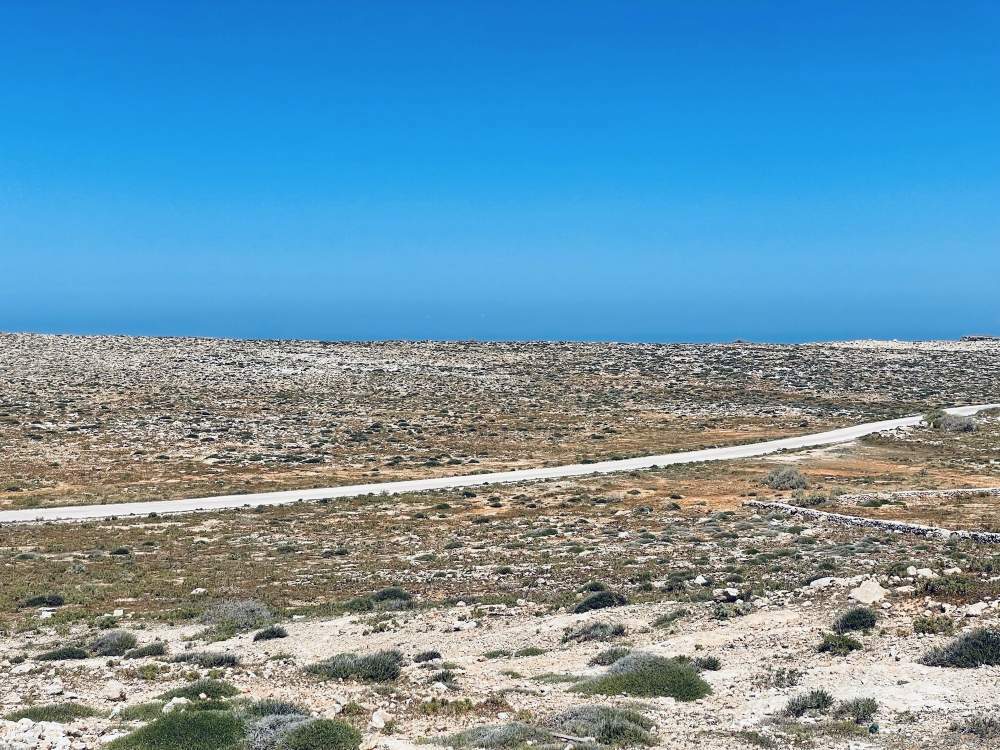
To truly understand Lampedusa, we must do more than just observe. We must engage in a transformative political praxis, one that challenges the very concept of borders and the oppressive logic of the nation-state. We must imagine ourselves as those desperate souls arriving by boat, feel the sting of their journey, and acknowledge their inherent right to seek life, just as the merchants and sailors of old navigated the same waters. Lampedusa can be a utopia, a place where an inclusive, communal, and reciprocal way of living is not just an ideal, but a lived reality.
The demise of Sabir coincided with the rise of the nation-state, a hardening of identities, and the erection of invisible walls. But its echoes persist. By revisiting its legacy, we are not merely engaging in historical nostalgia. We are unearthing a philosophical blueprint for a more humane future, a future where the Mediterranean is once again a space of encounter, not exclusion; a crucible of cultural communion, not a cemetery. It is time to let the ghost of Sabir guide us, to remember that the sea does not separate, but connects, and that true freedom lies in the unbridled flow of humanity
